October 2, 2026
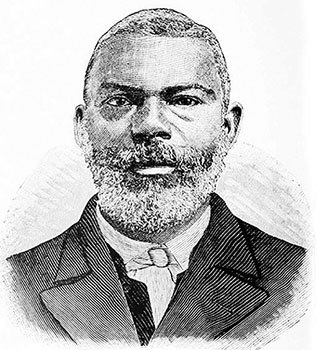
Those who see church history as having little connection to secular history miss the point that each generation of believers must “work out their salvation with fear and trembling” in the context of the world in which they live. The amazing life of George Liele illustrates how historical context made it possible for his ministry to have the far-reaching consequences that it did.
Liele is considered, by many, to be the first Baptist missionary in the modern missions era. He was a former slave who rose from the obscurity of a Georgia tobacco plantation to have a ministry impacting three continents. His legacy includes the liberation of hundreds of thousands of slaves across the British Empire and hastened the end of slavery in the United States.
The context of Liele’s life was the era surrounding the American Revolution. Born into slavery in Virginia in 1750 and removed to Georgia, he was considered the property of Major Henry Sharp of Burke County. Liele was about 23 when he was converted under the preaching of Sharp’s brother-in-law, Matthew Moore, the pastor of Buckhead Baptist Church, Burke County, in 1773.
The Buckhead church was the only Baptist church in Georgia composed of Tories. Consequently, it was the only church that did not survive the war. Its pastor and most of its membership fled Georgia after the Revolution. The church also has the distinction of ordaining Liele in 1777 as the first black minister in the colonies.
Following Liele’s conversion, he began to preach to the slaves on plantations in Georgia and South Carolina. His master, who was known the “notorious" Major Sharp by patriots across Georgia, granted Liele his freedom to preach the gospel. Major Sharp later died in battle during the war.
Savannah fell to the British in December 1778 and was occupied until the end of the Revolution in 1782. In the year following the occupation, runaway slaves, to whom the British offered freedom, freedmen including the Liele family, and many Tories fled to the city for refuge. For the next three years, during the occupation, Liele preached on plantations around Savannah and mentored a new convert named Andrew Bryan.
In the process, Liele laid the foundation for the establishment of one of the oldest black congregations in America. The First African Baptist Church of Savannah was constituted in 1787, with Andrew Bryan becoming its first pastor.
Another slave preacher, David George, had been converted under Liele’s ministry and was also mentored by him. At the end of the war, George had fled to Charleston, S.C., which had fallen to the British in 1780. The British offered freedom and free passage to other British colonies to slaves. George and his family were among 5,000 who were provided passage to Nova Scotia, where George pioneered Baptist work in Canada. Ten years later, George and other former slaves in Nova Scotia were offered free passage by an English abolitionist society to Sierra Leone, Africa. George became the first Baptist missionary to that continent.
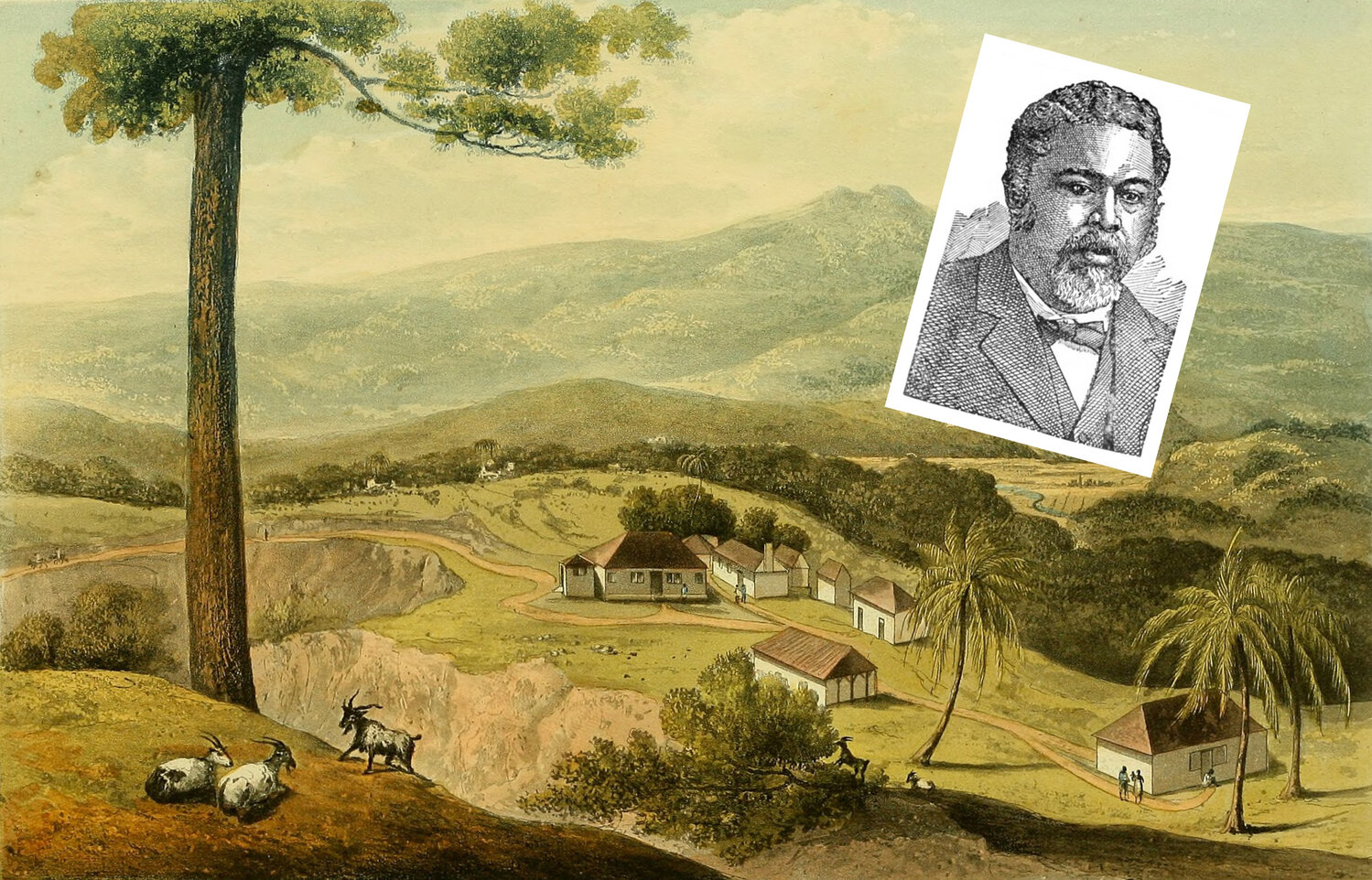
Following the Revolution, Sharp’s family members attempted to re-enslave Liele. In 1782, Liele, still in British-occupied Savanah, arranged to travel to Jamaica as an indentured servant to a British officer to pay the expense of the passage for his family. In Jamaica, Liele began preaching to the slaves and established Baptist work on the island. Liele worked off his debt and began a business as a teamster to support himself in ministry.
In 1792, nearly ten years after Liele arrived in Jamaica, and the same year George left Canada to pioneer work in Africa, William Carey sailed to India under the British Baptist Mission Board. When Carey, considered the “father of modern missions” left for India, Liele had already been serving in Jamaica for nearly ten years.
After reading about Carey, Liele wrote the British Baptist Mission Board seeking support for the work in Jamaica. Most of what is known about Liele’s life and ministry came from the correspondence with the British Mission Board. Several years later, the British Board began sending missionaries to Jamaica.
The life and ministry of Liele had already touched Georgia, South Carolina, Jamaica and, through his influence of David George, into Nova Scotia, Canada, and Sierra Leone, Africa. By the time of Liele’s death in 1828, there were more than 20,000 Baptists in Jamaica. This former slave had “worked out his salvation with fear and trembling.” Yet his legacy continued to grow after his death.
An enslaved Baptist deacon named Samuel Sharp (not related to Major Sharp of Georgia) lived in Kingston, Jamaica. In December 1831, Deacon Sharpe led a slave protest which grew into a rebellion when slave owners and the government attempted to put it down by force. It was called “The Baptist War.”
Slavery had already fallen out of favor in the British Empire, with the remaining slaves being in the Caribbean. The rebellion did not result in the immediate liberation of the slaves as Deacon Sharpe had hoped. Although it was the beginning of the end, a little over two years later, in 1834, slavery was abolished across the Empire, liberating 830,000 people from bondage across the Caribbean. This led to the end of slavery and the slave trade in Europe and North America.
Liele’s life and legacy impacted three continents and contributed to the liberation of thousands of enslaved people. To be understood, his life should be viewed in the context of an era of dynamic change surrounding the American Revolution. His inspiring life of faith should be remembered and celebrated for its many accomplishments, which are amazing considering his humble beginnings.
Southern Baptists have set aside February 1, 2026, as “George Liele Church Planting, Evangelism, and Missions Sunday.” The International Mission Board has prepared resources for churches to use to honor Liele and other pioneer SBC African American mission leaders. They may be accessed via imb.org/georgeliele. George Liele’s amazing life is worth celebrating.
Share with others