October 1, 2026
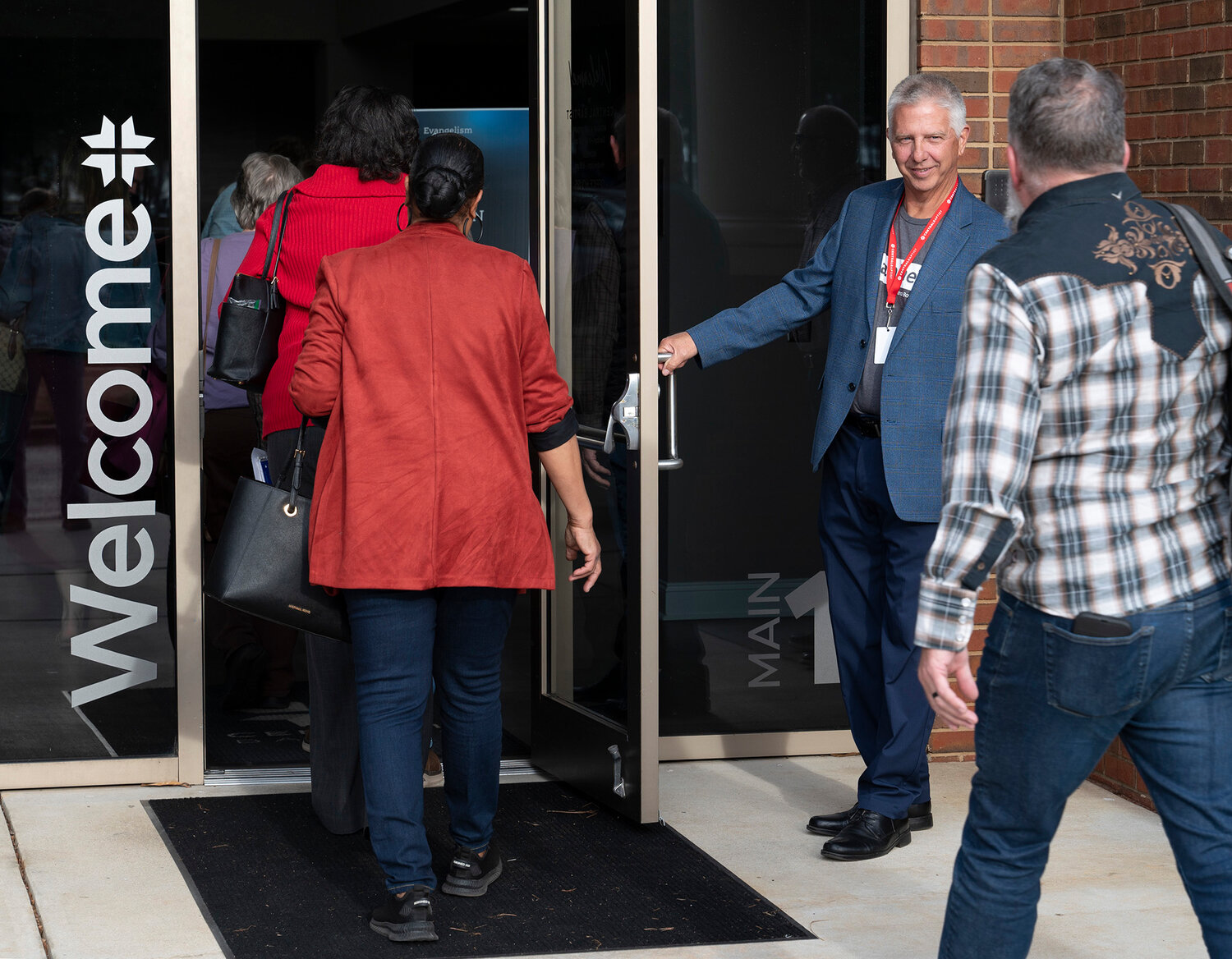
Wayfinding is the system that helps people know where they are, where they need to go, and how to get there—without stress or embarrassment. In the world of church ministry, it is the intentional use of space, signs, language, and people to guide guests confidently from arrival to destination, especially on their first visit.
Wayfinding is not merely good stewardship of your first impressions ministry—it is a critical component of your discipleship strategy.
If discipleship is about helping people move toward Christ with clarity and confidence, then the physical environment must support that movement, not hinder it.
Here are 10 reasons to take a closer look at your church’s current wayfinding footprint.
A church committed to making disciples wants people to grow spiritually, but growth requires access. If a guest struggles to find the children’s check-in, a small group, or a discipleship classroom, or ends up in a part of the building that is confusing, this creates an unnecessary barrier to their spiritual growth. The anxiety and friction produced can actually keep them from engaging or even returning to your church for a second visit. The frustration and confusion that are created actually drain emotional energy and increase the likelihood that someone opts out. Wayfinding helps to remove this type of avoidable obstacle so that spiritual hunger—not building navigation—becomes the primary focus.
Discipleship begins with access; if they can’t find it, they may never engage. Wayfinding clears the path so spiritual growth can happen.
The gospel welcomes people before they clean themselves up. Similarly, clear and thoughtful wayfinding welcomes people before they understand the culture or know their way around the facility. It communicates, “We expected you, we are ready for you, you belong here.” When guests can confidently navigate your campus, it communicates that they were considered, expected, and are valued. This helps to create a sense of belonging, lower defenses, and increase openness to connection, teaching, and relationship—all essential elements of discipleship.
Discipleship is not just content transfer — it’s relational belonging.
When guests feel safe and confident, they are far more open to: Listening, Connecting, Returning, and Committing
Wayfinding sets the emotional tone before the lesson or sermon ever begins.
For parents, especially first-time guests, children’s check-in is often the most vulnerable and emotionally charged moment of the morning. They are being asked to trust you with their child. They don’t know you, and you don’t know them. If the process feels hidden or confusing, trust erodes quickly. But when it is clear, visible, and well-directed, safety and competence are communicated and reinforced. This type of trust is foundational for long-term involvement and spiritual formation for both parents and children.
Trust is foundational to discipleship — especially for families. Clear wayfinding strengthens confidence in your church’s care and leadership.
Churches that spend the time to develop and articulate a clear disciple-making pathway need to make sure that those environments are not difficult to find. When we communicate a pathway—join a group, attend a class, serve on a team, but then don’t spend the time and money to clearly direct access to these steps, the pathway breaks down in practice. Wayfinding turns vision into movement and makes next steps tangible and achievable. We help people move from attendance to participation, from participation to maturity, and from the language of “this church” to the language of “my church.”
Discipleship requires visible, accessible steps, and wayfinding turns vision into movement.
A distracted mind rarely absorbs spiritual truth. When guests are worried about being late, lost, or in the wrong place, their attention is divided. Clear signage and intuitive flow reduce brain clutter and emotional stress. By removing anxiety, wayfinding creates mental and emotional space for worship, learning, conviction, and connection. When someone is thinking, “Where do I go? Am I late? Did I miss it? Is this the right room?” They are not thinking about the gospel.
Good wayfinding reduces the stress and anxiety so people can focus, the Holy Spirit can speak, and the heart can be open. Clarity prepares the heart.
God is not a God of confusion but of peace and order. An organized and thoughtfully designed environment communicates intentional leadership and careful stewardship. When a church campus reflects clarity and preparation, it reinforces confidence in the church’s broader mission and teaching. Discipleship thrives in environments that feel purposeful rather than chaotic.
A well-organized environment communicates: We plan ahead. We care about details. We steward what God has entrusted to us.
Wayfinding is quiet service. It anticipates needs before they are expressed and solves problems before they become frustrations. This posture reflects the heart of God and the servant leadership modeled by Christ in Philippians 2:3. When leaders care about the small details that affect guests, they are cultivating a culture where serving others is normal and expected.
Wayfinding communicates that we thought about your experience before you arrived. We removed obstacles you didn’t know you’d face. This is a culture of discipleship where leaders are serving others before being seen.
If your church has a defined pathway—from worship to groups to serving to multiplying—wayfinding should visually reinforce it. Signs, language, and space can either clarify or obscure the journey. When the physical environment supports the spiritual pathway, it strengthens alignment between vision and experience, helping people move forward rather than stall.
Wayfinding makes that pathway visible and navigable. Without it, your strategy lives in documents — not in movement.
First-time guests often decide whether they will return within the first 7 to 10 minutes of their visit. If this is true, people are barely out of the parking lot before this decision is made. It is a decision based on initial impressions, and wayfinding impacts this decision. Healthy discipleship happens over time as relationships form and grow, but having that time requires that people return. If a first visit feels confusing or stressful, even if the sermon is strong, a guest may hesitate to come back. Clear wayfinding increases the likelihood of a positive first experience, and positive first experiences significantly increase the chance of ongoing involvement and spiritual growth.
Wayfinding doesn’t just help Sunday — it protects long-term formation.
Throughout the Gospels, Jesus saw people, anticipated needs, and made access possible. Wayfinding operates from the same impulse. It says, “We thought about you before you arrived.” That anticipatory care is pastoral in nature. It communicates value, dignity, and attentiveness—core elements of a church that truly desires to shepherd people toward Christ. Jesus consistently saw the crowd, anticipated needs, and made access possible. People are asking the question, “Am I valued?”
Wayfinding says, “We anticipated your questions before you had to ask because we care about you.”
Simply stated, wayfinding is not about signs—it’s about shepherding people. And that is discipleship.
We must remove unnecessary barriers and intentionally guide guests from arrival to maturity. Wayfinding becomes a critical tool for onboarding people into your discipleship pathway.
When we clear physical paths, we make it easier for people to walk spiritual ones. The goal is simple: remove confusion, reduce friction, and help people find and follow Jesus.
___
Matthew Gibbs is the regional discipleship consultant for East Central Georgia of the Georgia Baptist Mission Board. If you need help with wayfinding, contact mgibbs.rep@gabaptist.org. We can provide practical tools to help you improve your footprint and better serve your guests. Tools include a wayfinding scored assessment and a next steps guide for addressing wayfinding at your church.
If you need help strengthening your church’s Discipleship Pathway, reach out to the Georgia Baptist Discipleship Team at ssullivan@gabaptist.org. We have discipleship cohorts launching now. These cohorts are designed to help discipleship leaders address their disciple-making needs and to learn and engage with other leaders to gain perspective from experienced discipleship practitioners.
Share with others