October 1, 2026
What if your church’s discipleship strategy isn’t broken—it’s just incomplete?
Many churches today are seeing some progress in making disciples, but without a culture-wide framework, efforts often stall out or stay siloed. A healthy discipleship culture rests on four key pillars: Real Relationships, Transformational Teaching, Disciple-Making Environments, and Intentional Multiplication.
While the first three pillars often receive emphasis, the fourth—Intentional Multiplication—is frequently assumed, overlooked, or underdeveloped. And yet, it is this very pillar that determines whether our disciple-making efforts will bear fruit that lasts and multiplies.
Discipleship, rightly understood, is “a lifelong process by which a follower of Jesus Christ grows toward Christlikeness and multiplies the experience.” Jesus didn’t merely call His followers to become disciples; He commanded them to make disciples (Matt. 28:19–20). Paul echoed this vision in 2 Timothy 2:2, urging Timothy to pass along what he had learned to faithful men who would teach others also—that’s four generations of discipleship in one verse! Discipleship isn’t truly biblical until it reproduces.
Intentional multiplication starts with a mindset shift: every disciple is a disciple-maker. This aligns with the Formed axiom: Be One, Make One. Every believer—not just pastors or group leaders—is called to help someone else grow in Christ.
Churches must raise the expectation that discipleship is not merely consuming spiritual content but becoming the kind of person who pours into others. This requires creating environments where people are challenged and equipped to pour into others—not just sit and soak.
As disciples grow, they must be released to disciple others. One-to-one or micro-group formats can be powerful engines for multiplication when implemented with clarity and accountability. In Formed Discipleship Culture, these micro-groups reflect Jesus’ investment in the few—He preached to the masses, taught the Twelve, and invested deeply in three.
As more disciple-makers are developed, there will naturally be a need to multiply groups. But group multiplication should not be driven only by logistical needs—like a room being too full. Instead, it should happen when a new leader is ready to launch.
Group multiplication allows for more intimate community, deeper relational connections, and greater gospel reach. It’s not division—it’s expansion.
This principle reflects Formed’s conviction that People are the Mission Field. Programs don’t make disciples; people do. Multiplication isn’t merely a strategy—it’s an act of love and obedience.
A multiplying culture doesn’t stop at Bible studies—it transforms every area of ministry. In Formed Discipleship Culture, every volunteer position is an opportunity for intentional discipleship.
Sound booth teams, hospitality greeters, children’s workers—all should be developing their own replacements. This keeps ministries healthy and sustainable while creating a steady pipeline of future leaders.
Love is inefficient but highly effective. Investing in people takes time but produces leaders who replicate themselves, ensuring ministries aren’t built around one person but around a multiplying culture.
Ultimately, a multiplying discipleship culture should have a vision beyond the local church. The goal isn’t simply to grow one congregation but to reach the world.
Church planting and revitalization are both expressions of gospel multiplication. Churches that multiply disciples can multiply churches.
Local churches should begin asking, “Who are we sending?”—not just, “Who are we keeping?” Formed’s axiom reminds us: Biblical Discipleship Multiplies. The New Testament shows how disciple-making movements ripple out, transforming regions and nations.
Multiplication happens best when embedded into every layer of disciple-making environments. According to Formed Discipleship Culture, these environments include:
Healthy discipleship cultures ensure that multiplication is built into each of these environments. It’s not enough to gather people; we must equip them to multiply their faith and invest in others.
If multiplication feels like a distant goal, consider these diagnostic questions drawn from Formed Discipleship Culture to help your church build this vital pillar:
Here are some practical next steps:
Start a Micro-Group Movement
Launch 3–4 month micro-groups with the explicit goal of multiplication built in from the beginning. Ensure participants know from Day 1 that they’re expected to eventually lead others.
Identify “Faithful People” (2 Tim. 2:2)
Look for those already showing hunger for the Word and give them the challenge of disciple-making. As Formed reminds us, You Are the Plan. Discipleship isn’t just for pastors; every believer has a role.
Celebrate Multiplication Stories
Publicly recognize when a new group launches, a volunteer mentors another, or someone begins discipling others. What you celebrate, you accelerate.
Cast a Bigger Vision
Teach and preach about the multiplication mandate from Scripture. Help your church see that every believer can be part of God’s multiplying mission. Multiplication isn’t just an advanced step—it’s the heart of disciple-making.
Formed Discipleship Culture teaches that a multiplying culture is built one person, one relationship, and one group at a time. Programs are tools—but people are the mission field.
Let’s build cultures where discipleship is not just about growth but about multiplication that reaches beyond our walls and into the world.
___
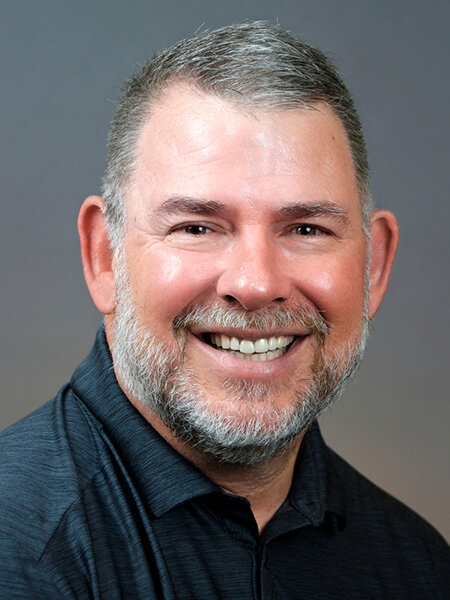
Ray Sullivan III is a Discipleship Consultant with the Georgia Baptist Mission Board.
For more information or a personal consultation for you or your church about Formed: A Discipleship Culture Blueprint, contact the Discipleship Team at the Georgia Baptist Mission Board.
Share with others