October 1, 2026
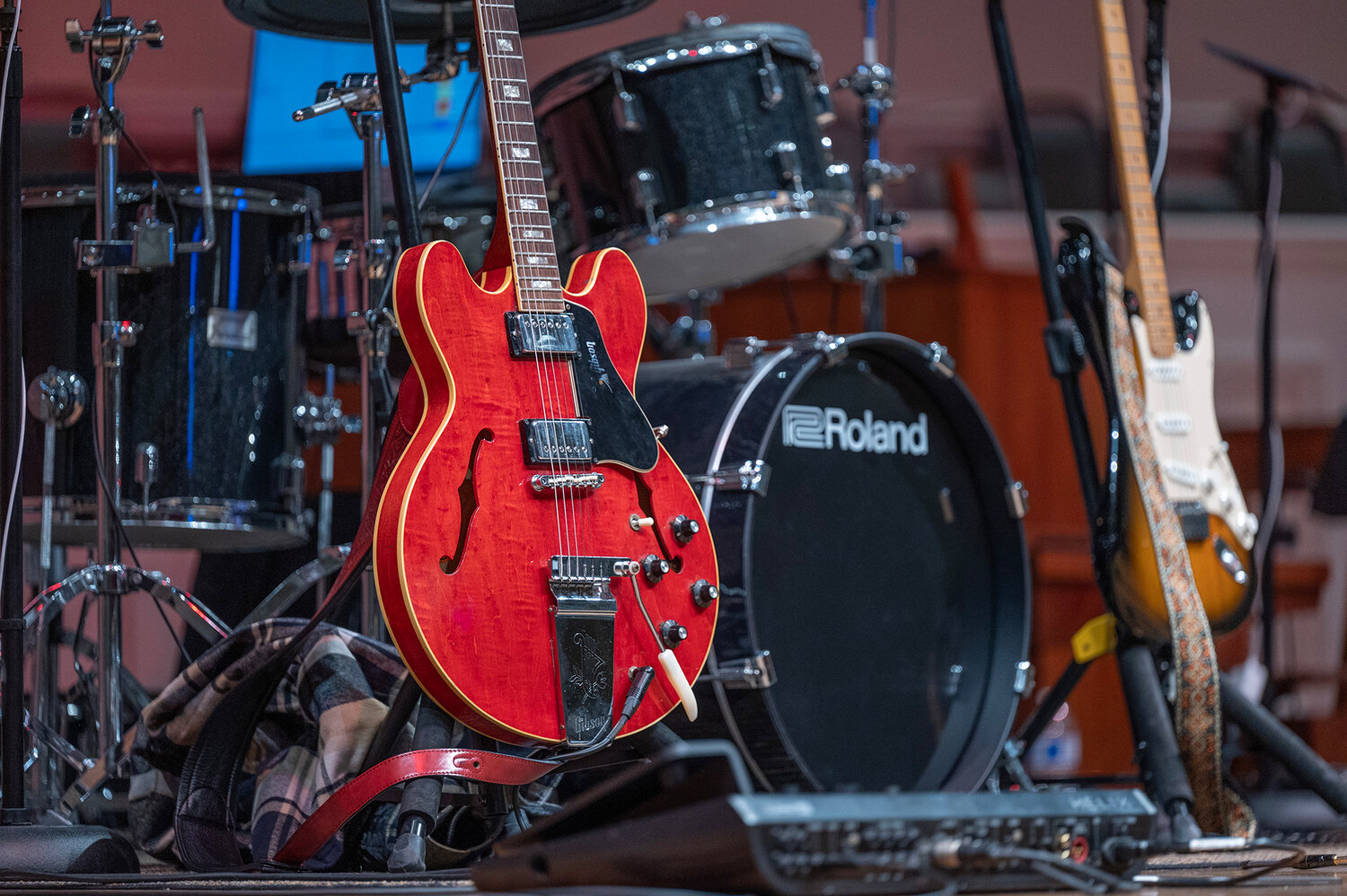
There has never been a time like this in the life of the church.
Every week, hundreds—maybe thousands—of new worship songs are released. With platforms like Apple Music and Spotify, songs are instantly available. Add in social media and independent artists, and the stream never really stops.
What used to be a trickle has become a flood.
Not long ago, most churches sang from a hymnal. Songs were curated, tested, and distributed through trusted channels. If you wanted a new song, it came from a publisher, and it often stayed in rotation for years.
Today, every worship leader has become a curator and gatekeeper.
And that’s not a small responsibility.
Because the songs we choose don’t just fill time in a service—they form the theology and discipleship of our people.
One of the first things we have to wrestle with is something very practical:
Can our people actually sing the songs we choose?
It’s easy to select songs in keys that feel great for a soloist or band, but don’t sit well for a congregation. Rhythms can become so complex that people disengage. Melodies can stretch beyond what an average voice is comfortable singing.
And when that happens, participation drops.
If the congregation can’t sing it, they won’t own it.
And if they don’t own it, it won’t disciple them.
We all love introducing new songs. There’s energy in it. But if we move too quickly, we lose our people. Repetition isn’t boring, it’s discipling.
When a song becomes familiar, something shifts. People lift their voices with confidence. Truth begins to settle deeper. The song moves from the stage, to the mind, and then to the heart.
That’s where discipleship happens.
Is the song theologically sound?
Every lyric is teaching something.
That’s why tools like The Berean Test can be so helpful, and why resources like The Song Cycle by Jon Nicol continue to remind us that we are not just selecting songs—we are shaping belief.
We’re not just asking, “Is this song popular?”
We’re asking, “Is this song true?”
That’s something we have to remember.
Your church has a unique voice, culture, and level of musical ability. The goal isn’t to replicate what another church is doing; it’s to faithfully shepherd the people God has entrusted to you.
That requires discernment.
We are constantly being invited to consume.
New songs.
New sounds.
New releases.
But leadership requires something different. It requires restraint.
Healthy worship ministries are not built on constant novelty. They are built on intentional song curation, thinking through a song bank that reflects the theology, voice, and discipleship pathway of your church.
AI is beginning to generate songs, lyrics, and arrangements. In some ways, that can be helpful. It can assist creativity and organization. It also raises an important question. AI can help create songs, but it cannot shepherd people. That responsibility still belongs to you.
So the question becomes:
Will technology shape our song choices…or will theology and discipleship guide them?
Today, that filter is you. You are not just selecting songs. You are shaping what your people will sing, believe, and carry with them throughout the week. That’s a high calling. And it’s a sacred one.
Share with others




