October 2, 2026
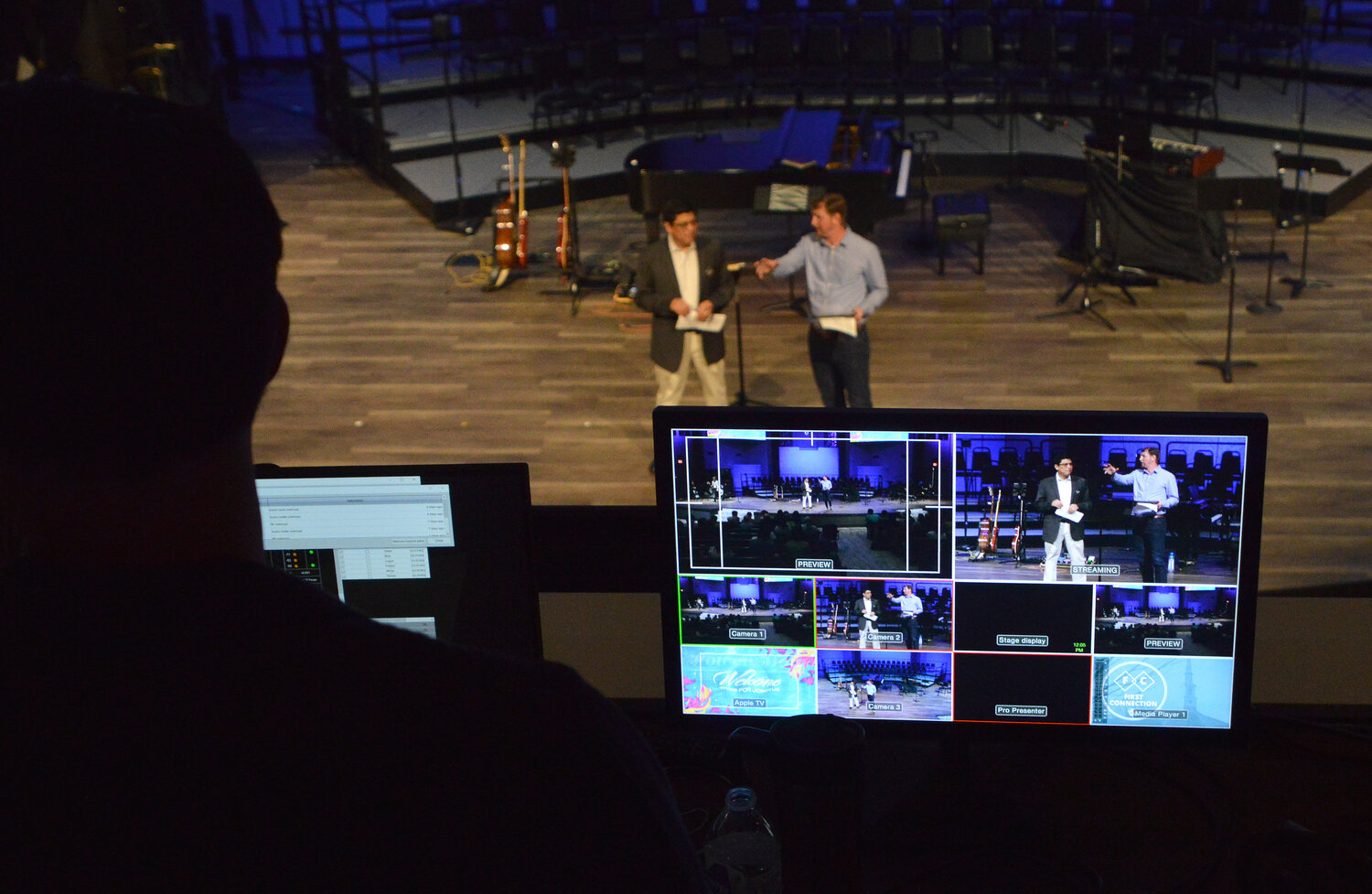


BRENTWOOD, Tenn. — As many churchgoers continue watching livestream church services at least occasionally, they also recognize limitations in its validity and utility.
According to a Lifeway Research study, nearly 2 in 5 Protestant churchgoers (39%) say they have watched a livestream service instead of attending a church service in person on more than five occasions over the past year. Meanwhile, 1 in 5 (20%) have not watched a livestream service in the last year.
Basic demographic factors such as age and ethnicity play into a churchgoer’s likelihood of watching, or not watching, a livestream. Churchgoers aged 50 and over are more likely than younger churchgoers to say they have not watched a livestream instead of attending service in person in the past year. White churchgoers (23%) are also more likely than African Americans (13%) to say they have not watched a livestream.
“The pandemic drove a large increase in the number of churches offering livestreams of their worship services, but some of these viewers were only temporary,” said Scott McConnell, executive director of Lifeway Research. “African Americans were hit harder by COVID, and their churches closed longer. So, it is not surprising they have maintained more online viewers.”
Churchgoers believe some reasons for watching a livestream service rather than attending in person are more valid than others. Most churchgoers say a livestream is a valid replacement when sick or caring for someone who is sick (69%), and nearly half say it is valid when traveling (48%). Nearly 2 in 5 (38%) say watching a livestream is acceptable when you live too far away to attend church in person. Fewer than 3 in 10 say livestreams are valid when a non-attendee wants to know more about the church or its teaching (29%), whenever someone wants to watch online (26%) or when you get up late (24%). And 7% say none of these occasions are valid replacements for attending in person.
“A consistent quarter of churchgoers see any reason as a valid reason to attend church via video streaming, but with additional experience with the approach, fewer are open to its use instead of in-person attendance,” McConnell said.
While the oldest churchgoers (those over 65) are the most likely to say it is acceptable to watch a livestream when sick or caring for someone sick (79%), they are the least likely to say it is valid when you get up late (12%) or whenever you want to watch online (19%). They are also among the least likely to say it is acceptable when you live too far away (31%).
While churchgoers identify various ways watching church livestreams has played roles in their walks with God, most say livestreaming is a temporary way to participate in the mission of the church during an illness or emergency like COVID (53%). Fewer say it is a supplemental biblical teaching resource for them (31%), it is how they stay in tune with the direction their church is headed (24%) or it is how they get to know a new church before visiting in person (20%). Fewer than 1 in 5 say it is the primary biblical teaching they receive (18%) or the main way they connect with their churches (17%). And 11% say livestreaming does not play any of these roles in their walks with God.
“People’s use of online church services varies greatly. The majority only use it for emergencies, while 1 in 6 say it is the main way they connect with their church,” McConnell said. “Older churchgoers are the least interested, including some who never tuned in to their church online even when that was all their church offered during COVID.”
Share with others


