October 1, 2026
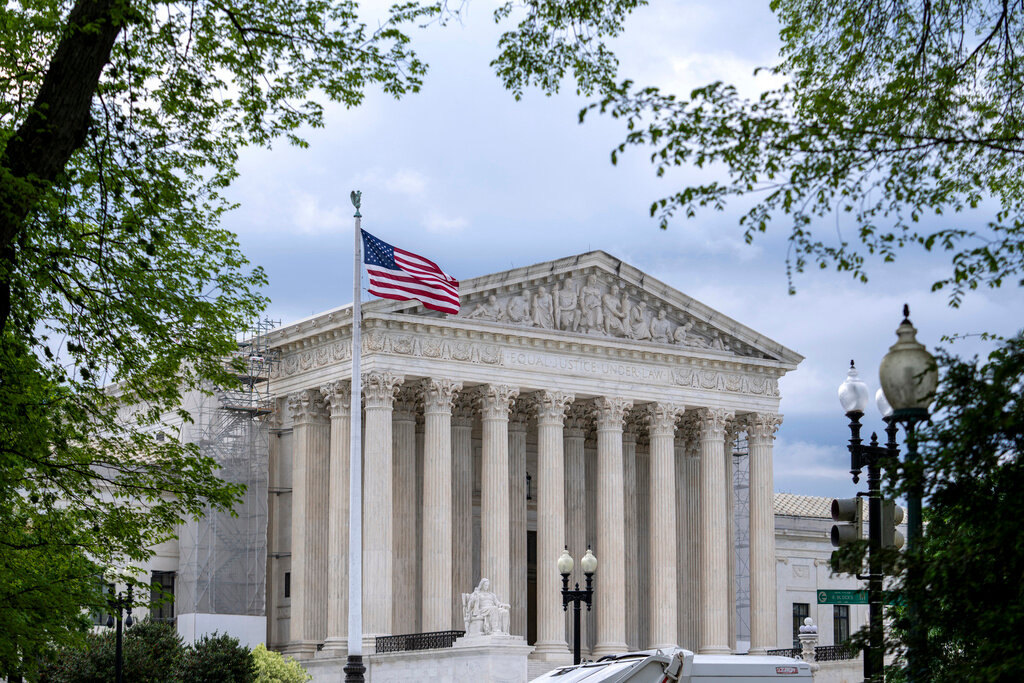
WASHINGTON — The U.S. Supreme Court declined this week to hear an appeal brought by Will McRaney, former executive director of the Baptist Convention of Maryland/Delaware, against the North American Mission Board. The decision leaves in place the Fifth Circuit ruling that dismissed the case, ending the nearly nine-year legal fight.
The case has drawn wide attention because it touches a central question in Baptist life: how churches, state conventions, and SBC national entities can cooperate in ministry while still preserving both autonomy and accountability when conflicts arise.
Though the decision ended the case, it has sparked debate among Southern Baptists about what it may mean for future cooperation between churches, state conventions, and SBC national entities. Supporters see the ruling as a safeguard against government intrusion into ministry affairs, while critics fear it could make it harder for Baptist ministers, leaders, and partners to seek civil remedies when they believe they have been wronged.
McRaney sued NAMB after a breakdown in a ministry partnership relationship involving missions and church planting. The dispute centered on whether McRaney violated provisions related to missionary hiring and joint funds under the agreement. McRaney alleged NAMB made false statements about him and interfered with his employment and future ministry opportunities.
NAMB argued the lawsuit would entangle civil courts in Baptist ministry governance and cooperative decision-making. McRaney argued the claims could be evaluated as ordinary tort claims. In a 2-1 ruling handed down in September 2025, the Fifth Circuit held that the church autonomy doctrine barred McRaney’s claims because adjudicating them would require civil courts to intrude into protected religious matters.
The Supreme Court’s refusal to hear the case did not amount to an endorsement of the Fifth Circuit’s reasoning. It simply left the lower court ruling in place. Because the ruling turns on church autonomy and the nature of Baptist cooperation, its reasoning could be invoked in future disputes involving other SBC entities as well.
The Fifth Circuit recognized both Baptist autonomy and Baptist cooperation. NAMB highlighted that language in its post-ruling statement, quoting the court’s description of Baptist life: “Baptist ecclesiology is non-hierarchical, and each Baptist church is autonomous. Nevertheless, Baptist churches have long voluntarily cooperated in fellowship with one another and pooled resources for missions, evangelism, and church planting.”
NAMB’s statement said the ruling “now stands as a landmark protection of religious liberty for all Southern Baptists and other people of faith,” and argued the decision respected both “doctrinal autonomy and voluntary cooperation among Baptist churches and ministries.”
NAMB also said the ruling does not make Baptist organizations immune from lawsuits, but rather reinforces that civil courts may not decide disputes when doing so would require evaluation of “faith-based judgments, religious doctrine, or internal religious governance.”
Daniel Blomberg, a Becket attorney who filed an amicus brief supporting NAMB, told Baptist Press that supporters of the ruling reject the claim that it creates a new hierarchy among Southern Baptists. “The ruling protects the ability of Southern Baptists to organize their faith group as they sincerely believe God desires, not how government dictates,” Blomberg said. He also argued, “This ruling doesn’t break new ground on defamation.”
McRaney sees the decision as a loss not only for him but for Baptists more broadly.
In a statement, he wrote, “While we are disappointed the Supreme Court did not choose to grant cert in this particular case, we trust that in time justice will be done and the rights of Baptist people and partners restored.” He added, “This decision will have an impact on millions of Baptists and other religious groups.”
McRaney called the result a “Pyrrhic” victory for SBC entities and argued the decision effectively gives denominational leaders room to harm Baptist ministers and partners without those parties being able to defend themselves in court. NAMB, he wrote, “won and secured their right to do what God forbids, to defame and interfere with Baptist ministers, partners and financial supporters.”
He further warned that Baptists will now understand “they have given up their personal legal rights with their voluntary partnering or contributing to the SBC.”
The case brings into focus two deeply held Baptist convictions — local church autonomy and voluntary cooperation. Baptist churches are self-governing. State conventions and national entities are separate organizations. They cooperate by choice for shared mission work, not through top-down control.
The ruling does not create a new formal legal hierarchy between local churches and SBC entities. Churches remain autonomous, and cooperation remains voluntary. But it likely will affect how Baptist leaders think about risk, documentation, and dispute resolution in future partnerships.
For churches and state conventions, the practical implications may include greater emphasis on clear agreements, clearly defined expectations, and stronger internal processes for resolving conflict before disputes escalate.
For SBC national entities and their supporters, the decision is likely to be cited as an important affirmation that courts should not intervene in internal ministry disagreements, especially when those disagreements arise from shared mission strategy and cooperative religious work.
For critics, the concern remains whether the legal shield recognized in this case could be applied too broadly in future disputes involving alleged defamation, interference, or reputational harm, including cases involving other SBC entities.
The McRaney and NAMB statements show the wide gap in Baptist interpretation of the outcome.
McRaney’s statement closes by praying for “repentance by SBC entity leaders, trustees, and other Baptist leaders” and a “renewed commitment to righteousness and truth telling above all as an act of obedience to God’s Word.”
NAMB’s statement closes with a different emphasis, saying it hopes the decision will allow all involved “to move forward in a spirit of peace and with continued focus on the mission God has given us.”
Share with others


