October 15, 2026

Picture a church meeting that ends with hope. The need is clear. People agree that something must change. Heads nod, the motion passes, and the pastor goes home encouraged. Six weeks later, little has happened. The same questions return. A few hallway conversations grow louder. The people who said yes begin asking whether this is really the right time.
What happened between agreement and action? That question deserves a careful answer. A stalled effort can reveal fear, exhaustion, unresolved conflict, or a plan that never became clear enough for people to carry together. Reigniting follow-through begins with understanding where the church stopped and helping people take the next faithful step.
When the Church Says Yes
Early support can be sincere even when people understand the decision differently. One member hears an invitation to reach neighbors. Another hears a promise that familiar ministries will continue unchanged. A volunteer assumes someone else will organize the work. The pastor assumes the team is ready to begin.
Before the meeting ends, ask people to describe the decision in their own words. What are we trying to accomplish? Why does it matter for making disciples? Who will take the first step, and when will we hear how it went? Shared understanding gives people something specific to support.
When the Church Stops
Leaders in our Church Renewal Conversations survey described how negative talk, fear, and power dynamics can drain momentum. Pastors spend their energy explaining, correcting, and calming concerns while the mission waits. Over time, returning to the familiar can feel easier than leading through another difficult conversation.
Begin by listening closely enough to identify the obstacle. A longtime member may fear losing a meaningful part of the church’s story. A volunteer may already be overwhelmed. A leader may be protecting control. Those concerns require different responses, and honest questions can keep us from treating every hesitation as the same problem.
Listen without shaming people. Address harmful talk directly, and bring concerns to the appropriate leaders. Then share a clear account of what was decided, who is responsible, and when progress will be reviewed. A common point of reference can reduce the need to explain the same decision repeatedly in separate conversations.
How Renewal Strengthens Follow-Through
Church renewal helps a congregation reconnect its daily decisions with its calling to make disciples. Prayer, repentance, trust, and dependence on God belong throughout that work. A clear plan helps leaders steward the people and opportunities God has entrusted to them.
The ReFocus process from Corpus, founded by Dr. Rob Peters, guides churches through Discovery, Convergence, Pyramid, Path, Ladder, and Toolkit. Together, these steps help leaders assess their church, clarify direction, develop disciples and leaders, and prepare to act. Within that work, four connected planning pieces are especially helpful when follow-through breaks down.
1. Vision Objectives: Where are we going? These describe the priorities a church is pursuing over the next several years. They give the church a shared picture of the future. Rank them so leaders can distinguish what matters most from the many good ideas competing for attention.
2. Annual Plan: Where do we start? Choose one churchwide objective for the coming year that moves the church toward its vision. It should be a meaningful step the congregation can understand, work toward together, and celebrate together.
3. Elements: What must be put in place? Elements are the building blocks needed to accomplish the annual objective. They may include leadership training, communication, volunteer preparation, ministry adjustments, or a launch date. Identify the necessary work, assign responsibility, and provide the resources people need.
4. Goals: Are we making progress and making a difference? Goals help leaders assess both measurable progress and meaningful ministry impact. Count what can be counted, and listen for evidence of people growing as disciples. Review progress, celebrate what God is doing, and adjust the work when the church is busy but the intended impact is missing.
Give the Church a Step It Can Take
Consider a church whose vision includes a clear path from a first visit into discipleship. Its annual objective might be to establish a consistent way to welcome guests and connect them with a group. The elements could include preparing a follow-up team, agreeing on a contact process, and equipping group leaders to receive new people. Goals would help that church track whether volunteers are ready, guests receive follow-up, and people are forming relationships that help them grow in Christ.
Join the Next Church Renewal Conversation
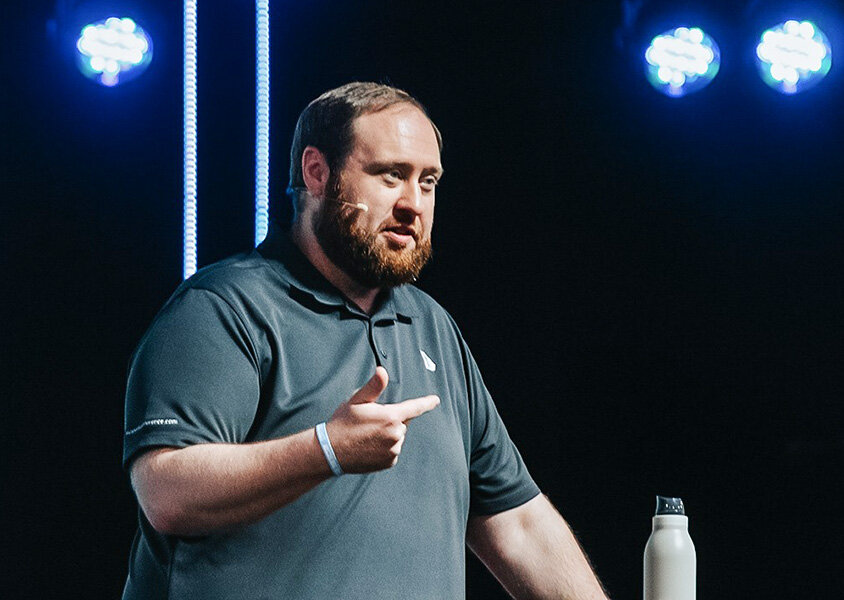
Join us Tuesday, Oct. 27, 2026, from 9 to 10 a.m. Eastern for When the Church Says Yes, Then Stops: How to Reignite Follow-Through. We will explore how to diagnose stalled momentum, navigate hard conversations, respond to negative talk, and identify early wins with Andy Childs. We will also share real success stories and preview opportunities for follow-up conversation at the GBMB Annual Meeting.
Register for the webinar and invite a key leader to join you. Bring one decision your church has struggled to carry forward. You can also explore the Church Renewal Conversations series and request access to past webinar replays to watch on your schedule and continue the conversation with your team.
A church that has stopped still has a next step. Let’s find it together.
___
Dr. PJ Dunn is the Senior Consultant for Revitalization of the Georgia Baptist Mission Board. He can be reached at pdunn@gabaptist.org.
Share with others